...

Serengeti National Park

Endless Plains, Eternal Migration

The Serengeti National Park stretches across northern Tanzania in an unbroken expanse of golden savannah, one of the most celebrated wildlife ecosystems on Earth. Its name, derived from the Maasai phrase for ‘endless plains,’ captures the sheer scale of this iconic landscape.

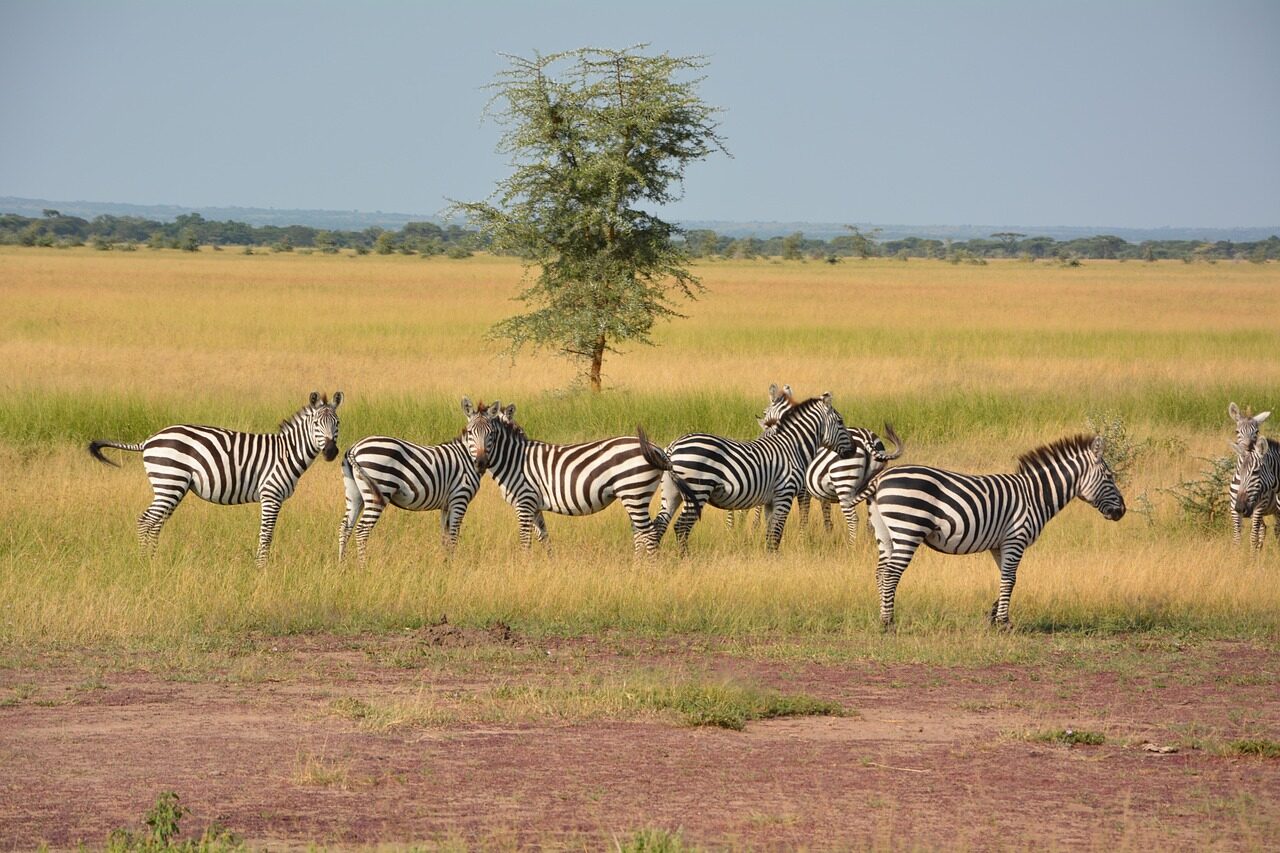
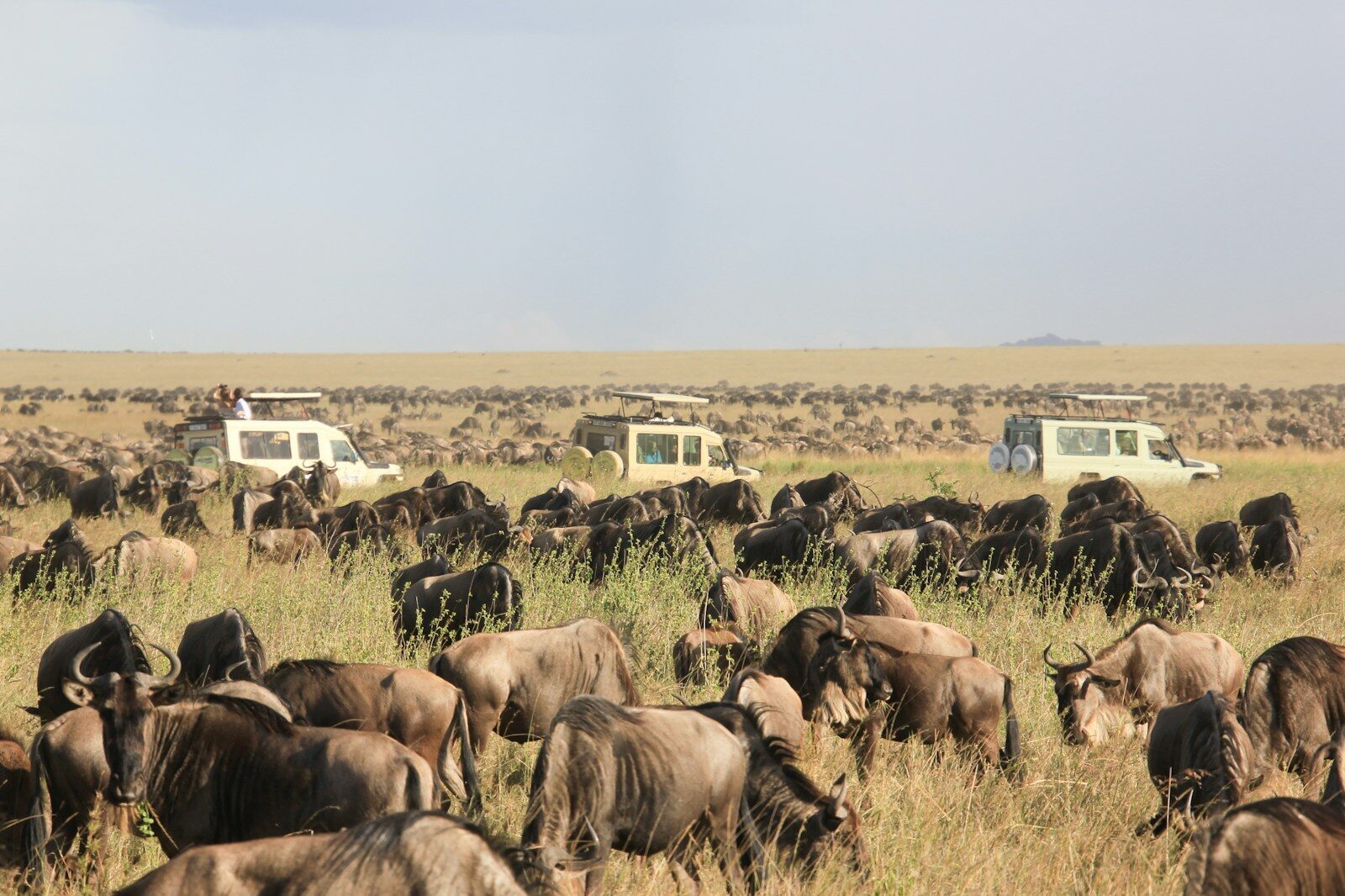
The Serengeti is world-famous as the stage for the Great Migration, when over a million wildebeest and hundreds of thousands of zebras move in a continuous cycle across the plains in search of fresh grazing, pursued by lions, cheetahs, leopards and hyenas. Even outside migration season, the park offers exceptional year-round game viewing, with resident prides and dense populations of the Big Five.

The Serengeti’s vastness supports a wide range of safari experiences, from classic game drives to hot-air balloon flights over the plains and walking safaris with Maasai guides. As the beating heart of the Serengeti–Mara ecosystem, it remains the benchmark against which all other African safari destinations are measured.

Quick Facts About Serengeti National Park

Information
Details
Location
Northern Tanzania, spanning the Serengeti ecosystem south of the Kenyan border.
Size
Approximately 14,750 square kilometres of open savannah, woodland and riverine forest.
Famous For
The Great Migration and some of Africa’s densest predator populations.
Best Time to Visit
June to October for the migration’s dry-season river crossings, or December to March for calving season in the south.
Recommended Stay
Three to five days to explore the park’s different regions and migration patterns.
Main Wildlife
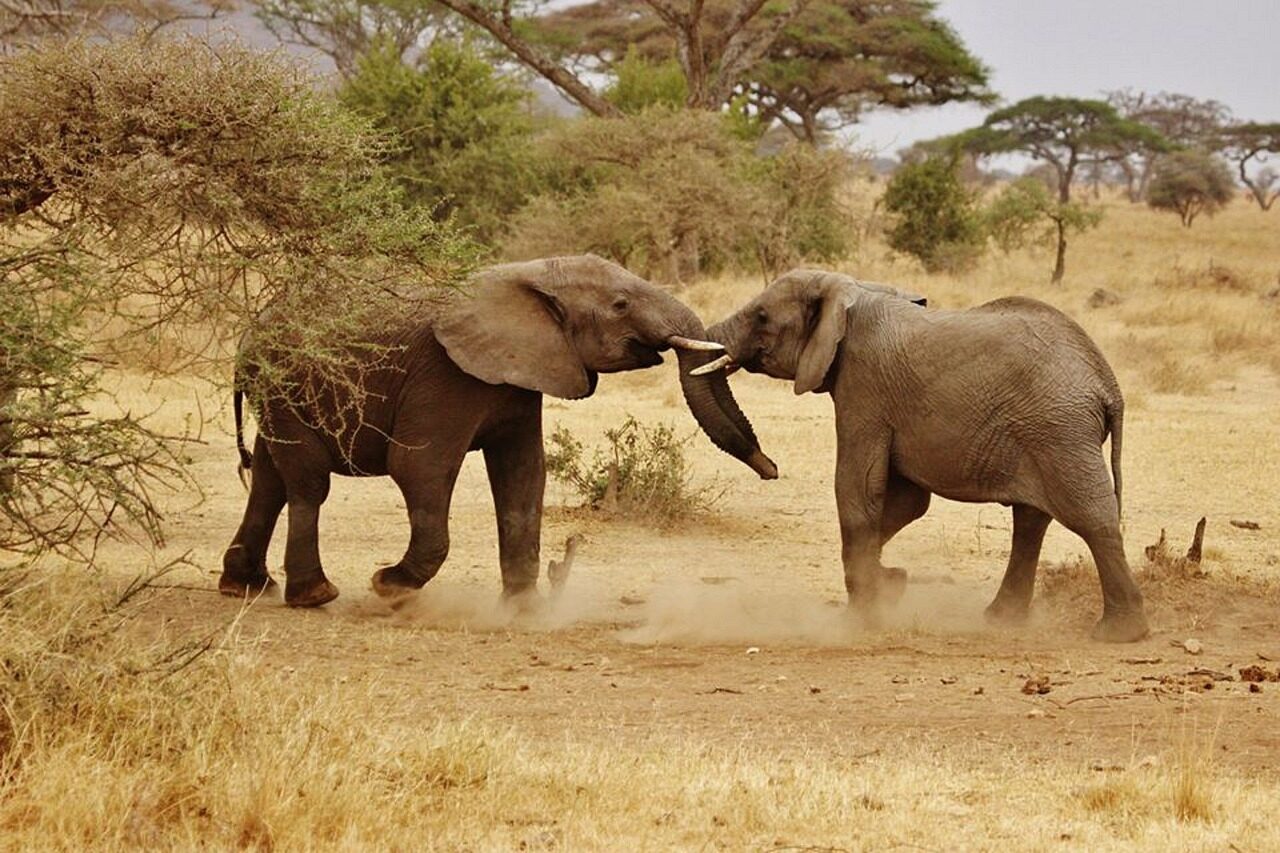
Lions, cheetahs, leopards, wildebeest, zebras, elephants and over 500 recorded bird species.
Nearest Gateway
Arusha, approximately six to eight hours by road, or under an hour by scheduled flight.
Safari Experience
Game drives, hot-air balloon safaris, walking safaris and migration river crossings.

Why Visit Serengeti National Park

Witness the Great Migration
Over a million wildebeest and hundreds of thousands of zebras move through the Serengeti in a continuous cycle, including dramatic river crossings during the dry season.
See the Big Five
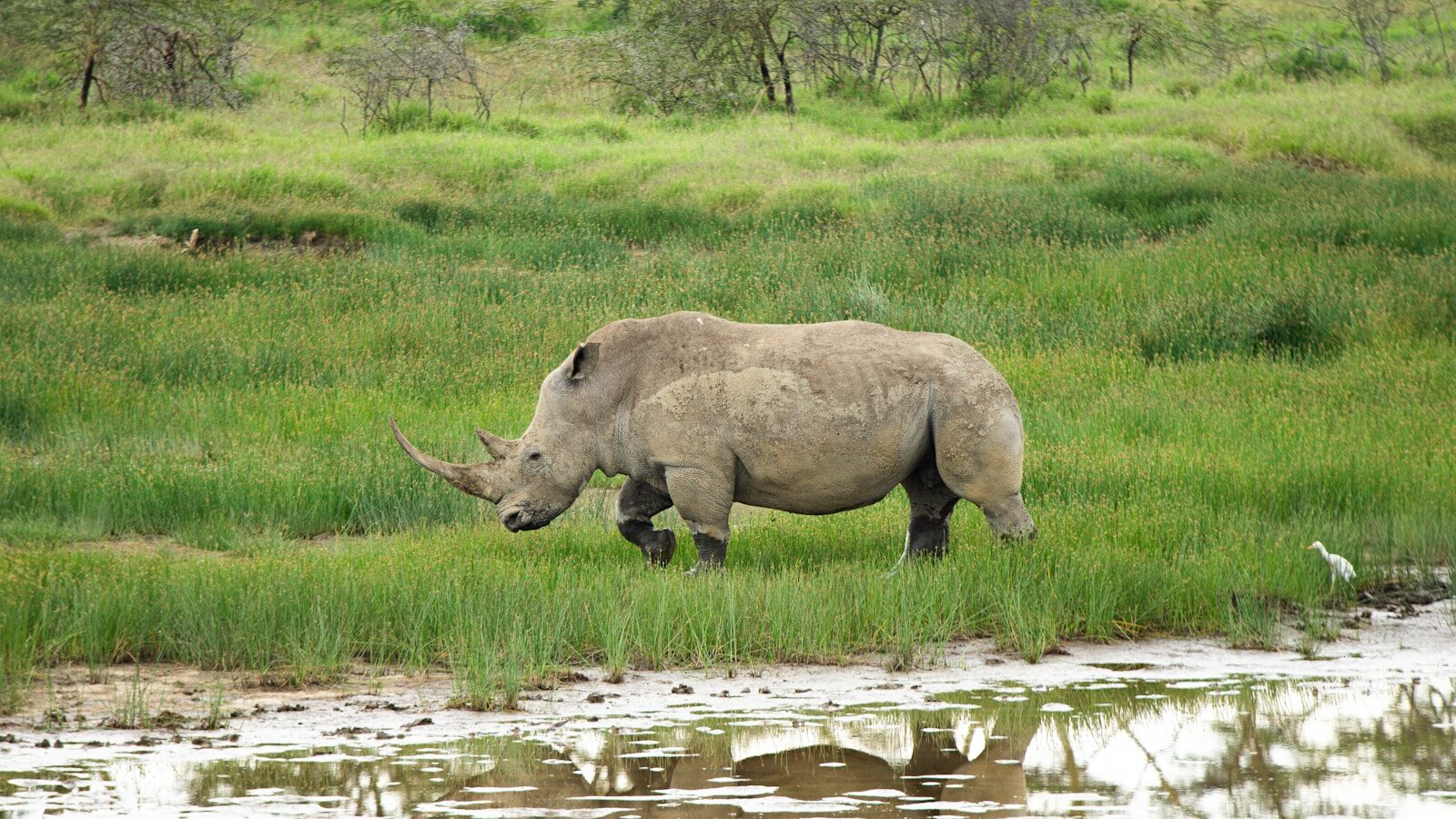
The Serengeti's resident wildlife includes healthy populations of lion, leopard, elephant, buffalo and black rhino, alongside cheetahs on the open plains.
Float Above the Plains by Balloon
Sunrise hot-air balloon safaris offer a rare, quiet perspective over the Serengeti's endless grasslands and wildlife below.
Experience World-Class Predator Viewing
Open terrain and high prey density make the Serengeti one of the best places on Earth to observe lions, cheetahs and hyenas hunting.
Explore Diverse Landscapes
From the seemingly endless southern plains to the riverine forests of the north, the Serengeti's varied terrain rewards multi-day exploration.
Join a Walking Safari With Maasai Guides
Guided walks offer an intimate, ground-level perspective on the Serengeti's ecosystem, led by experienced local guides.
Best Time

The Serengeti offers exceptional wildlife viewing year-round, though timing affects where the migration herds are located.

June to October sees the migration move through the western and northern Serengeti, including dramatic Mara River crossings.

December to March brings the herds to the southern plains for calving season, with thousands of wildebeest calves born within a few weeks.

Game drives across the Serengeti’s plains offer exceptional predator and migration viewing, varying by season and region.

Hot-air balloon safaris at sunrise and guided walking safaris with Maasai guides add unique perspectives to a classic Serengeti visit.

Wildlife

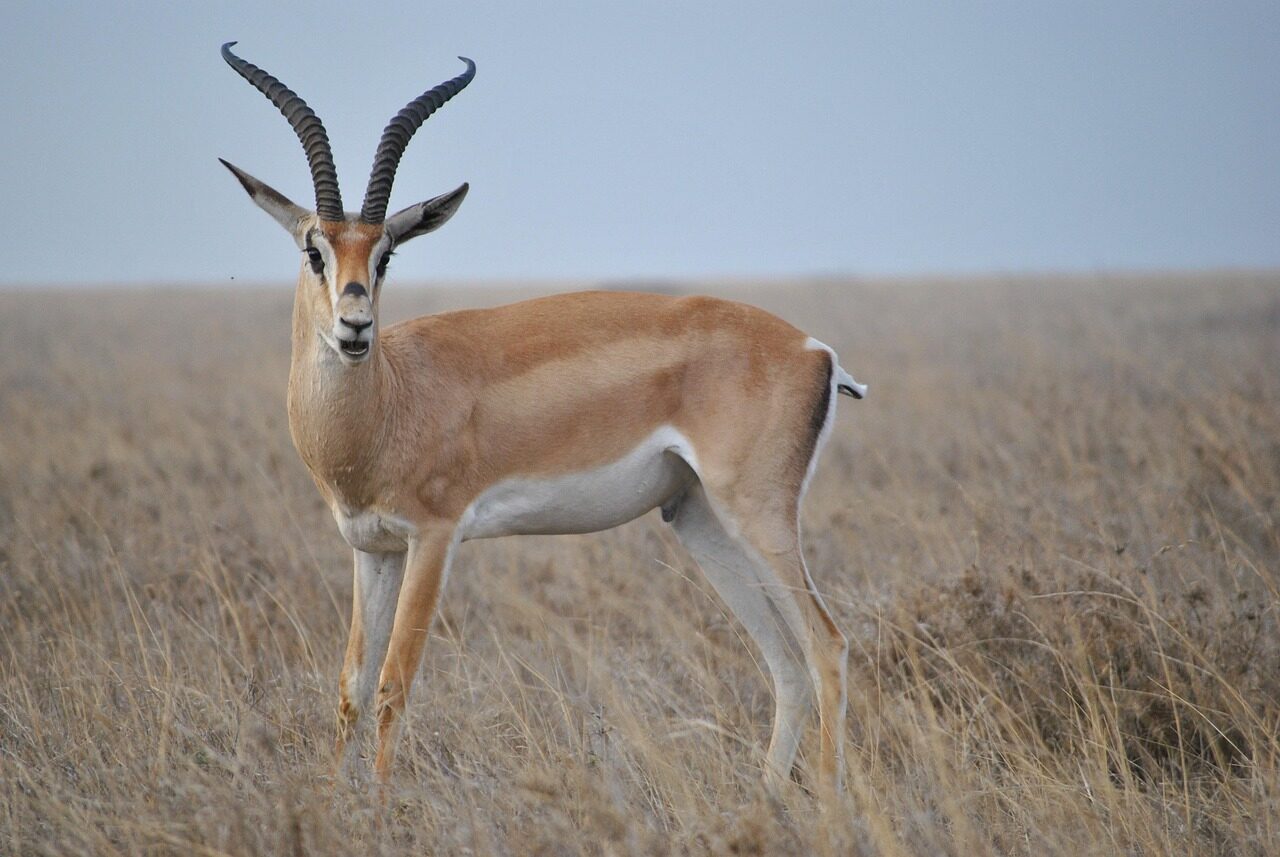
The Serengeti supports extraordinary predator densities, including lions, leopards, cheetahs and spotted hyenas, alongside the vast herds of the Great Migration.

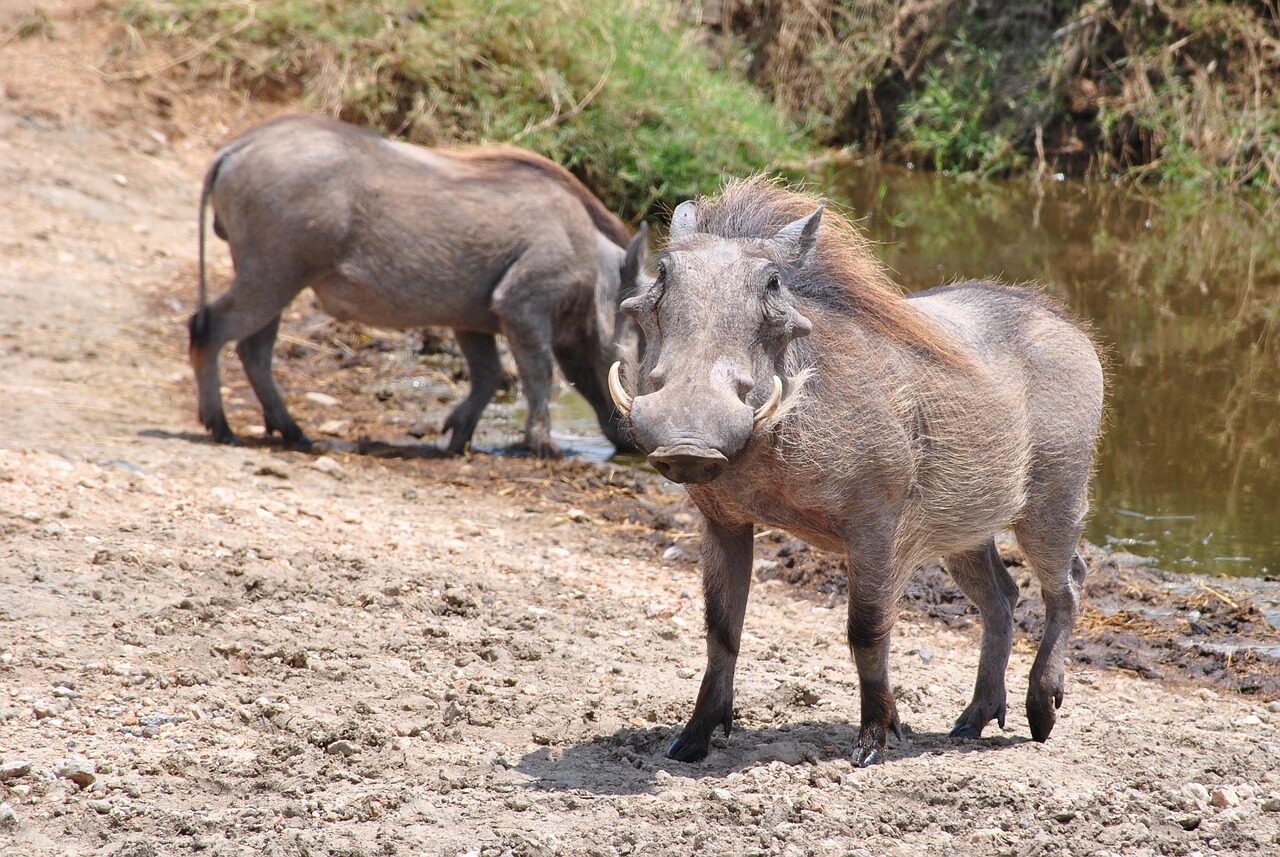
Elephants, giraffes, buffaloes and over 500 recorded bird species round out one of Africa’s richest wildlife ecosystems.

Most visitors fly into Arusha or Kilimanjaro International Airport, then connect via scheduled flight to airstrips within the Serengeti.

Overland travel from Arusha takes approximately six to eight hours by road, often combined with stops at Ngorongoro Crater along the way.

Research migration timing before booking, as herd locations shift throughout the year across the Serengeti-Mara ecosystem.

Pack neutral-coloured clothing, sun protection and a good zoom lens to make the most of the park’s open-plains photography.

Explore Tours & Safaris

From $ 800
From $ 125
From $ 90
From $ 230
From $ 140
Scroll to Top
Seraphinite AcceleratorOptimized by Seraphinite Accelerator
Turns on site high speed to be attractive for people and search engines.