...

Samburu National Reserve

Kenya’s Rugged Northern Frontier

Samburu National Reserve lies in Kenya’s arid north, along the banks of the Ewaso Ng’iro River, whose waters sustain wildlife across an otherwise dry and rugged landscape. Its remote setting and distinctive scenery set it apart from Kenya’s more famous southern reserves.

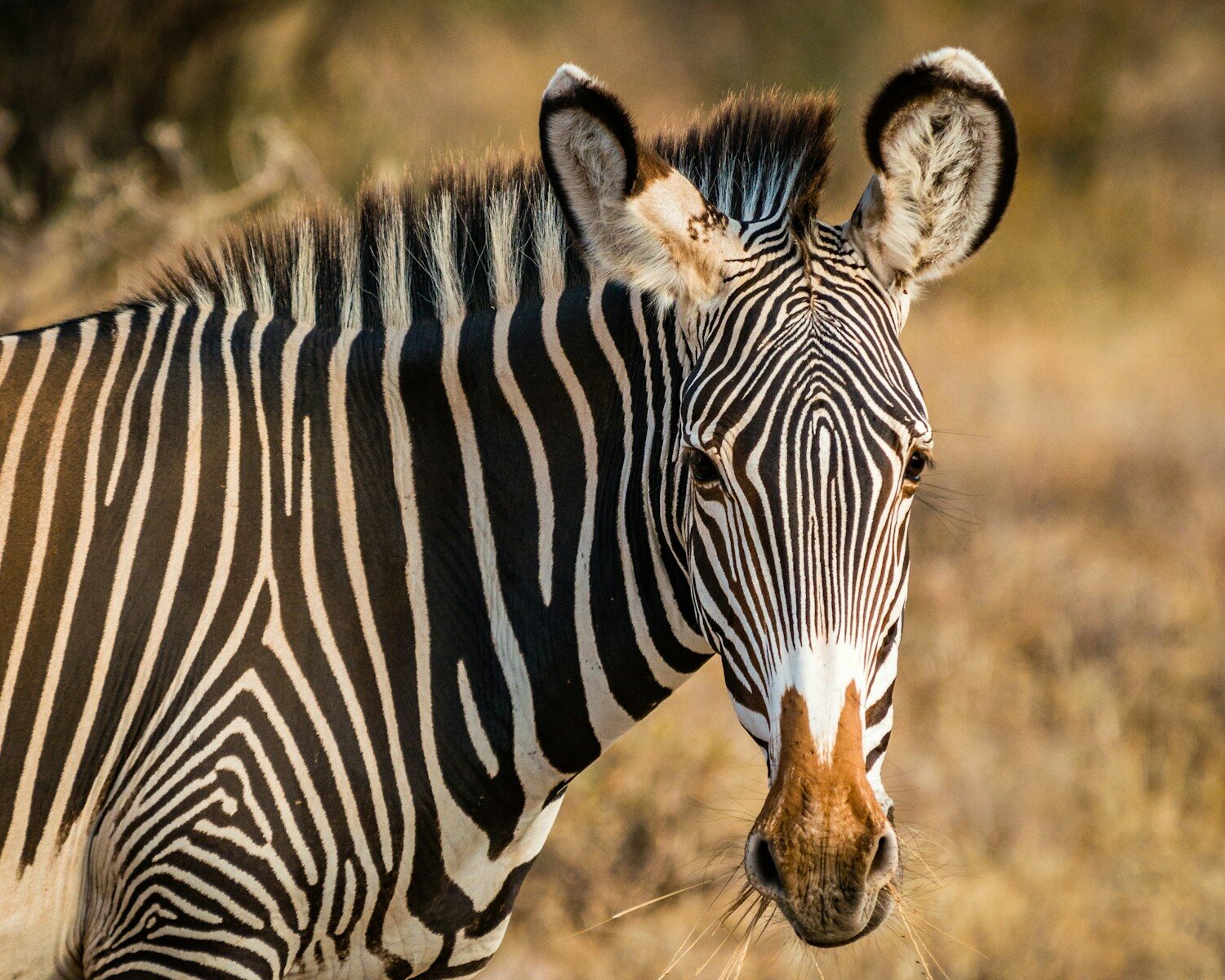
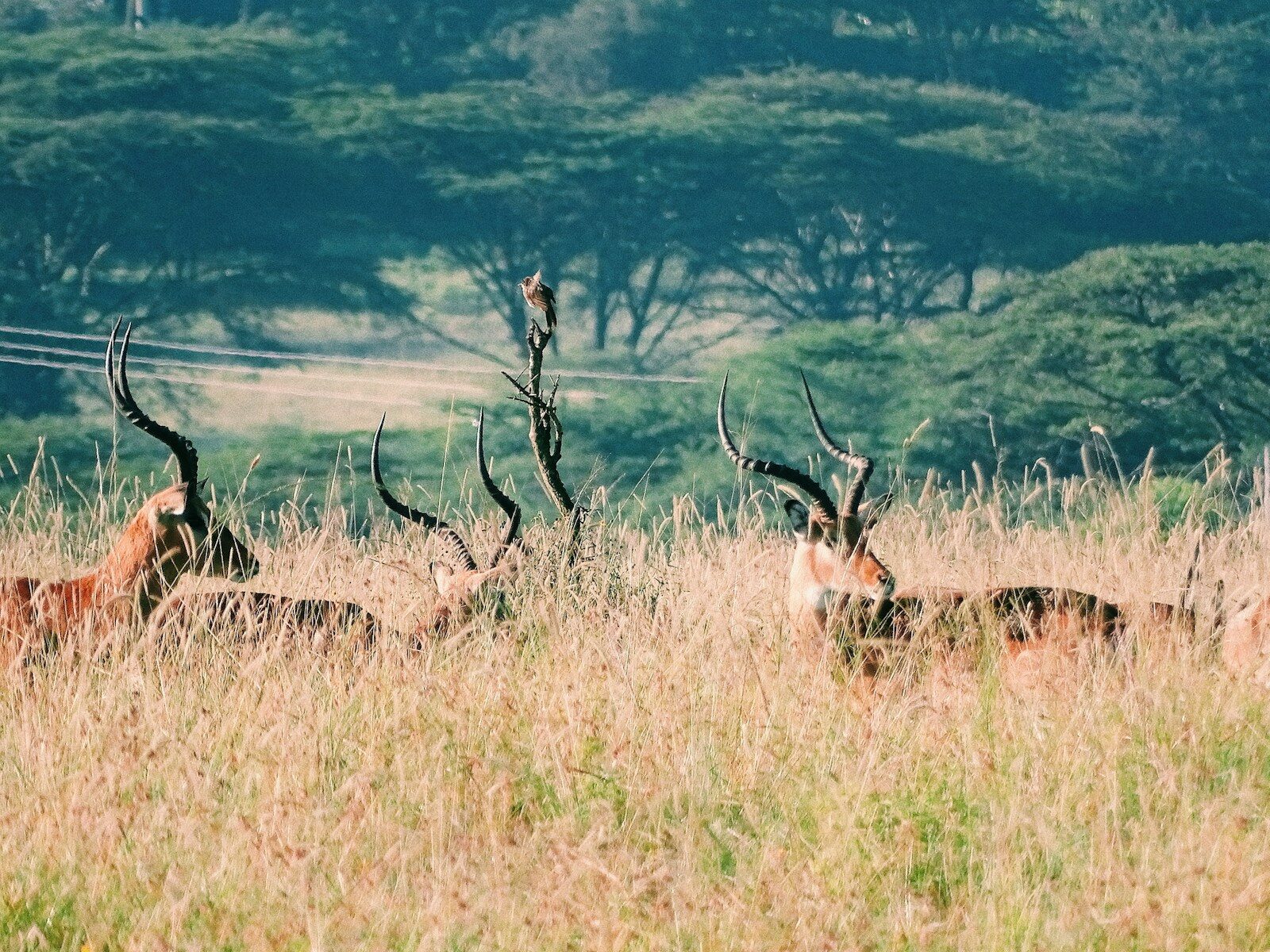
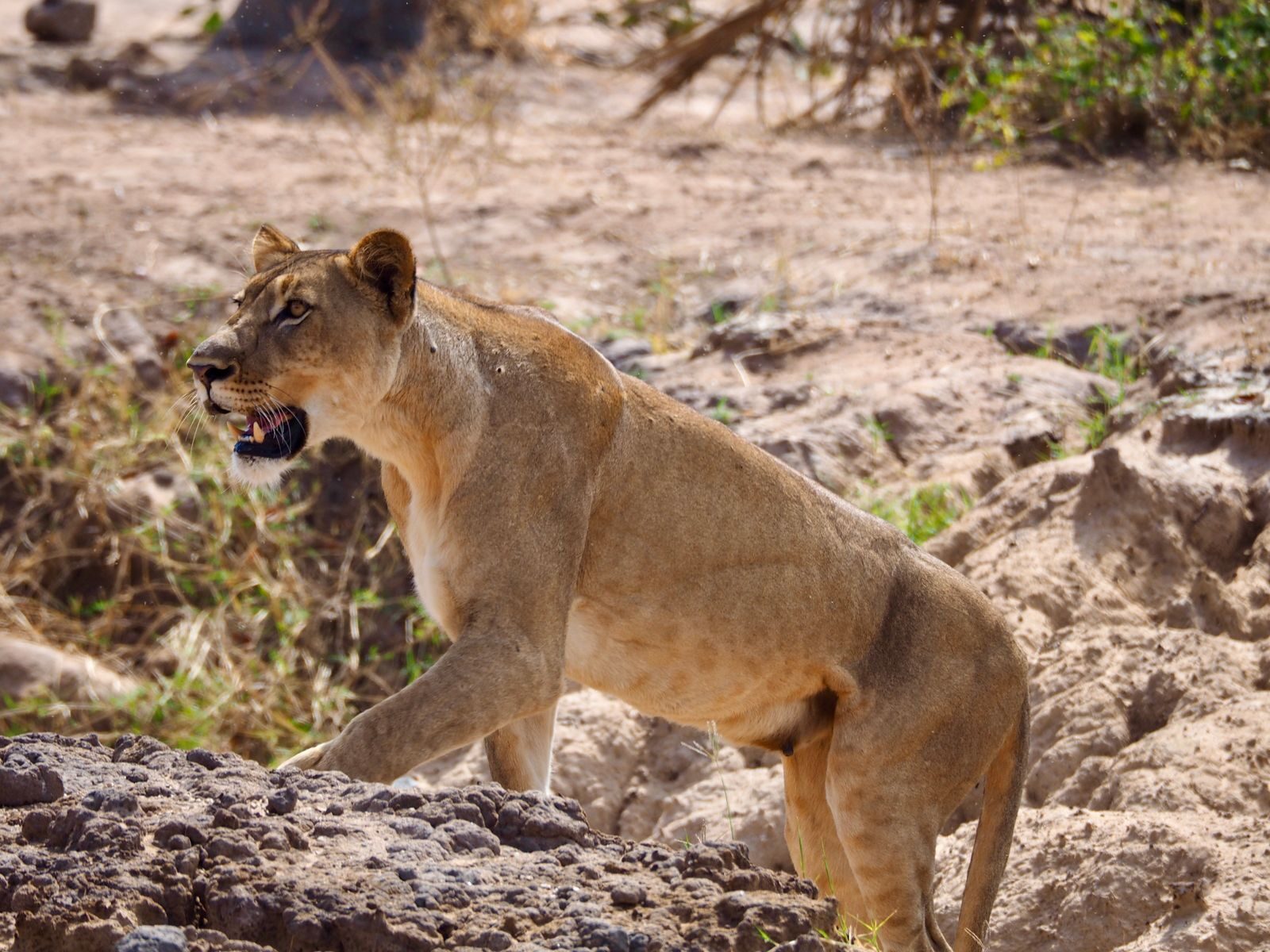
Samburu is renowned for the ‘Samburu Special Five,’ species adapted to this arid ecosystem and found in few other places in Kenya: the Grevy’s zebra, reticulated giraffe, Beisa oryx, gerenuk and Somali ostrich. Predators including lions, leopards and cheetahs are also regularly seen along the riverine woodland that lines the Ewaso Ng’iro.

The reserve is also home to the Samburu people, close relatives of the Maasai, whose traditions and colourful dress add cultural depth to a visit. Combined with its striking landscapes and rare wildlife, Samburu offers a distinctly different safari experience from Kenya’s classic circuits.

Quick Facts About Samburu National Reserve

Information
Details
Location
Northern Kenya, in Samburu County, along the banks of the Ewaso Ng’iro River.
Size
Approximately 165 square kilometres of semi-arid savannah and riverine woodland.
Famous For
The ‘Samburu Special Five’ and its rugged, arid northern landscape.
Best Time to Visit
June to October and January to February, the driest months when wildlife gathers near the river.
Recommended Stay
Two to three days to explore the reserve’s wildlife and Samburu culture.
Main Wildlife
Grevy’s zebra, reticulated giraffe, Beisa oryx, gerenuk, Somali ostrich, lions and leopards.
Nearest Gateway
Nairobi, around five to six hours by road or approximately one hour by scheduled flight.
Safari Experience
Game drives, riverside wildlife viewing and Samburu cultural visits.

Why Visit Samburu National Reserve

Meet the Samburu Special Five
Samburu is one of the only places to reliably see all five of the reserve's signature arid-adapted species: Grevy's zebra, reticulated giraffe, Beisa oryx, gerenuk and Somali ostrich.
Explore Kenya's Rugged North
The reserve's dramatic, dry landscapes and doum palm-lined river offer a striking contrast to Kenya's classic green savannah parks.
Follow the Ewaso Ng'iro River
Wildlife concentrates along the river's banks, offering excellent and reliable game viewing even in the driest months.
Experience Samburu Culture
The reserve is home to the Samburu people, whose vivid dress and traditions offer a rich cultural dimension alongside the wildlife.
Spot Big Cats in Open Country
Lions, leopards and cheetahs are regularly seen against Samburu's open, arid terrain, offering excellent predator sightings.
Enjoy a Quieter Safari
Samburu receives far fewer visitors than Kenya's southern reserves, offering a more exclusive and peaceful safari experience.
Best Time

Samburu offers good wildlife viewing throughout the year, thanks to the permanent water of the Ewaso Ng’iro River.

June to October and January to February are the driest months, when wildlife concentrates predictably along the riverbanks.

March to May and November bring rains that green the landscape, with fewer visitors and rewarding birdwatching.

Game drives along the Ewaso Ng’iro River offer excellent chances to see the Samburu Special Five alongside lions, leopards and elephants.

Guided visits to Samburu villages provide insight into the traditions and pastoral life of the local community, adding cultural depth to a safari here.

Wildlife

Samburu is defined by species adapted to its arid landscape, including the Grevy’s zebra, reticulated giraffe, Beisa oryx and gerenuk, alongside healthy predator populations.

The Ewaso Ng’iro River supports crocodiles, hippos and a wealth of birdlife, drawing wildlife from the surrounding dry bush throughout the year.

Samburu is reached from Nairobi by road in around five to six hours, via Nanyuki and Isiolo.

Scheduled flights from Nairobi take approximately one hour and land at airstrips near the main lodges and camps.

Temperatures can be significantly hotter than Kenya’s southern parks, so pack lightweight clothing and stay well hydrated.

Early morning and late afternoon game drives offer the best wildlife activity, avoiding the heat of midday.

Respect photography etiquette when visiting Samburu communities, and always ask permission before photographing individuals.

Explore Tours & Safaris

From $ 800
From $ 125
From $ 90
From $ 230
From $ 140
Scroll to Top
Seraphinite AcceleratorOptimized by Seraphinite Accelerator
Turns on site high speed to be attractive for people and search engines.