...

Mount Kenya

Africa’s Second-Highest Summit

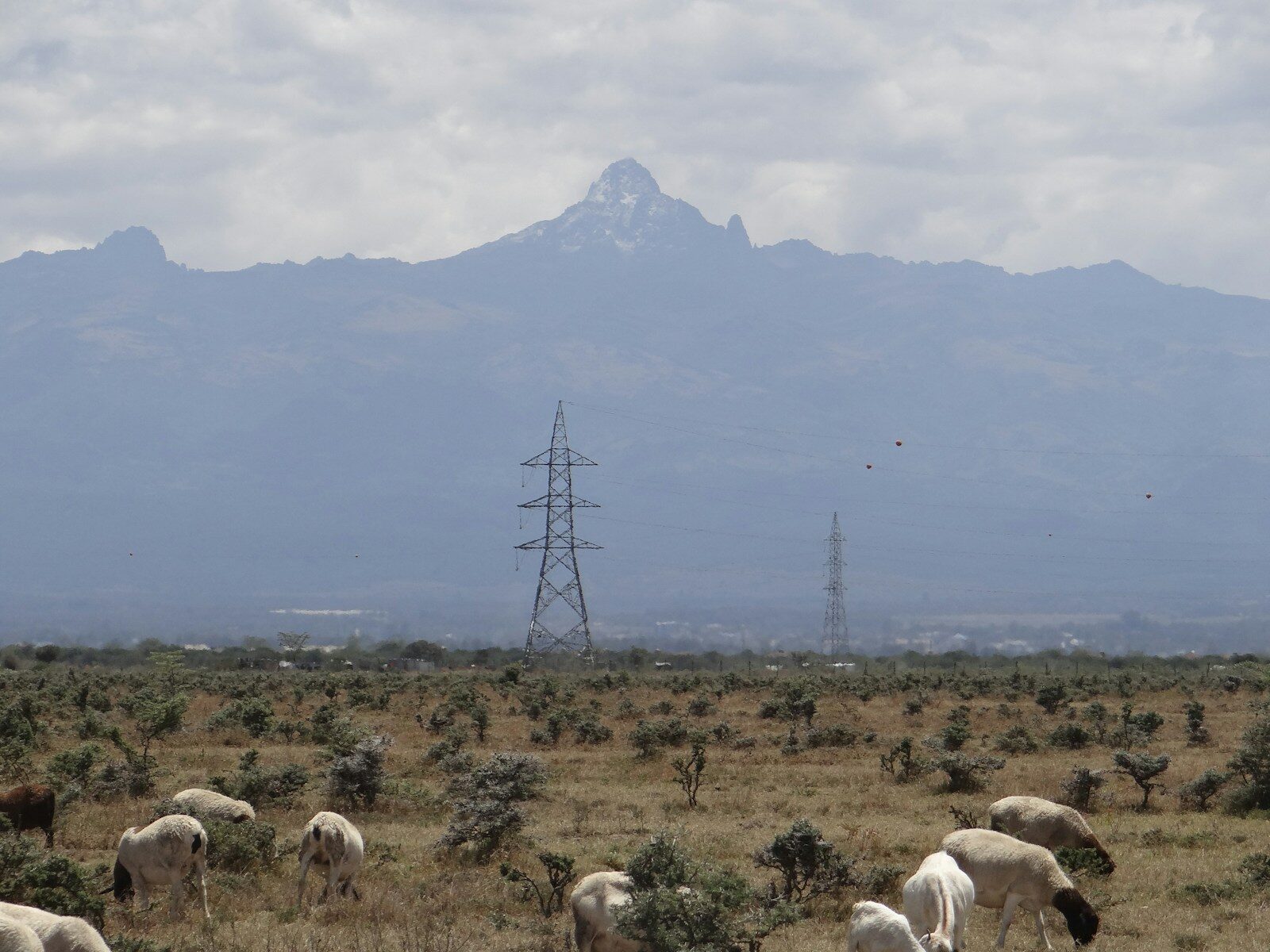
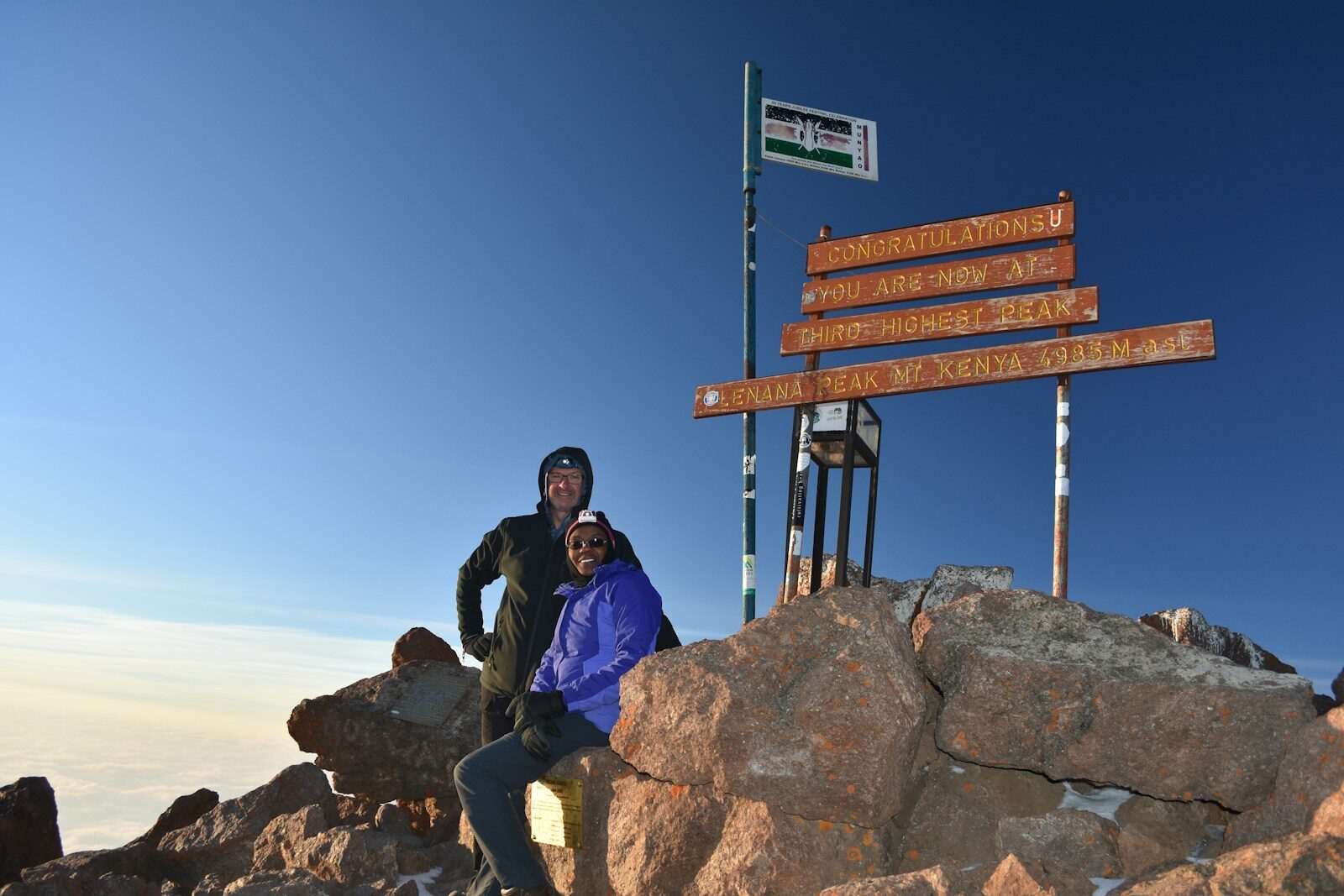
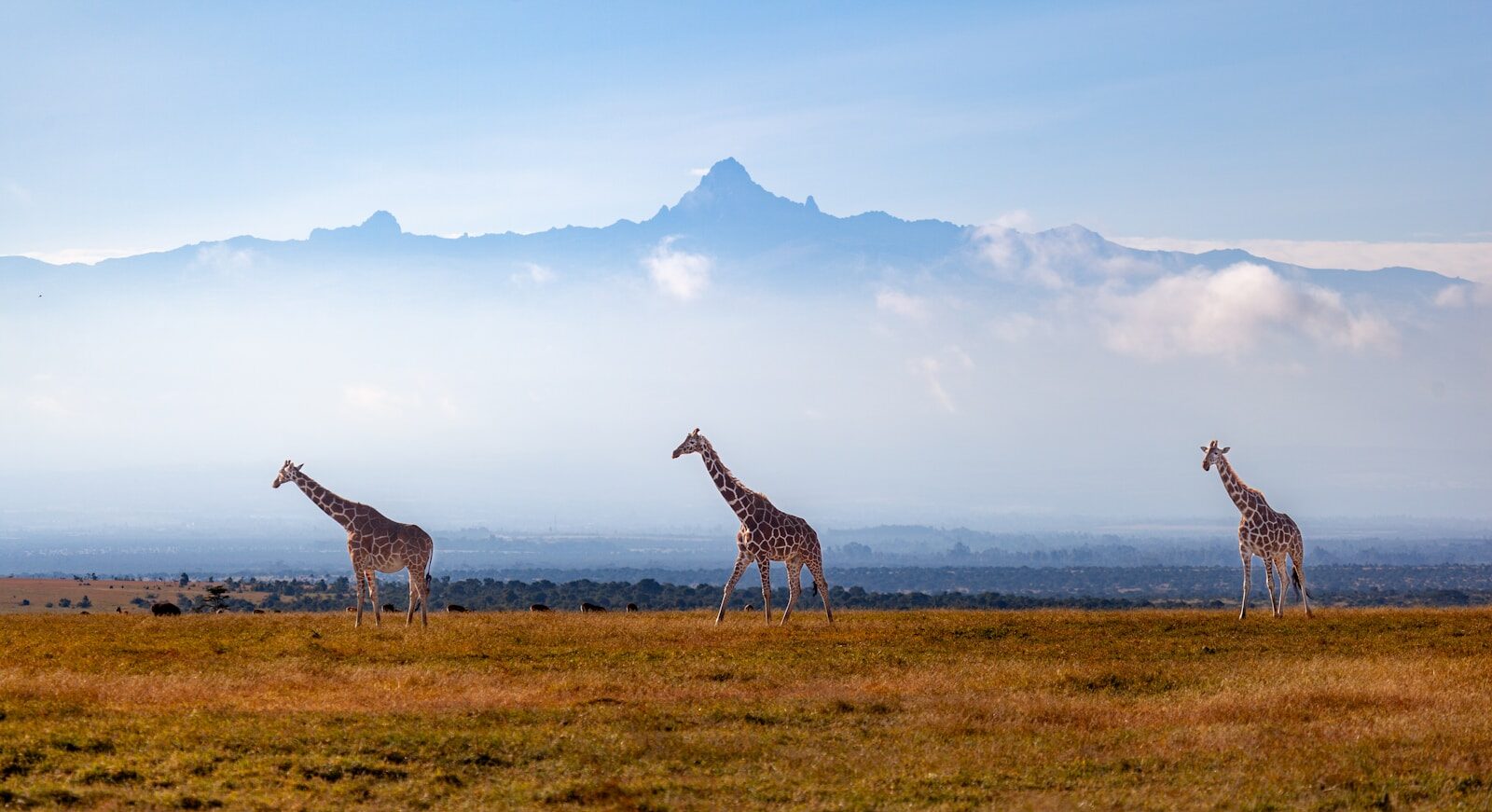
Mount Kenya rises as an extinct volcano at the heart of the country that bears its name, its glacier-capped peaks forming the centrepiece of Mount Kenya National Park, a UNESCO World Heritage Site. As Africa’s second-highest mountain after Kilimanjaro, it draws trekkers and nature lovers from around the world.

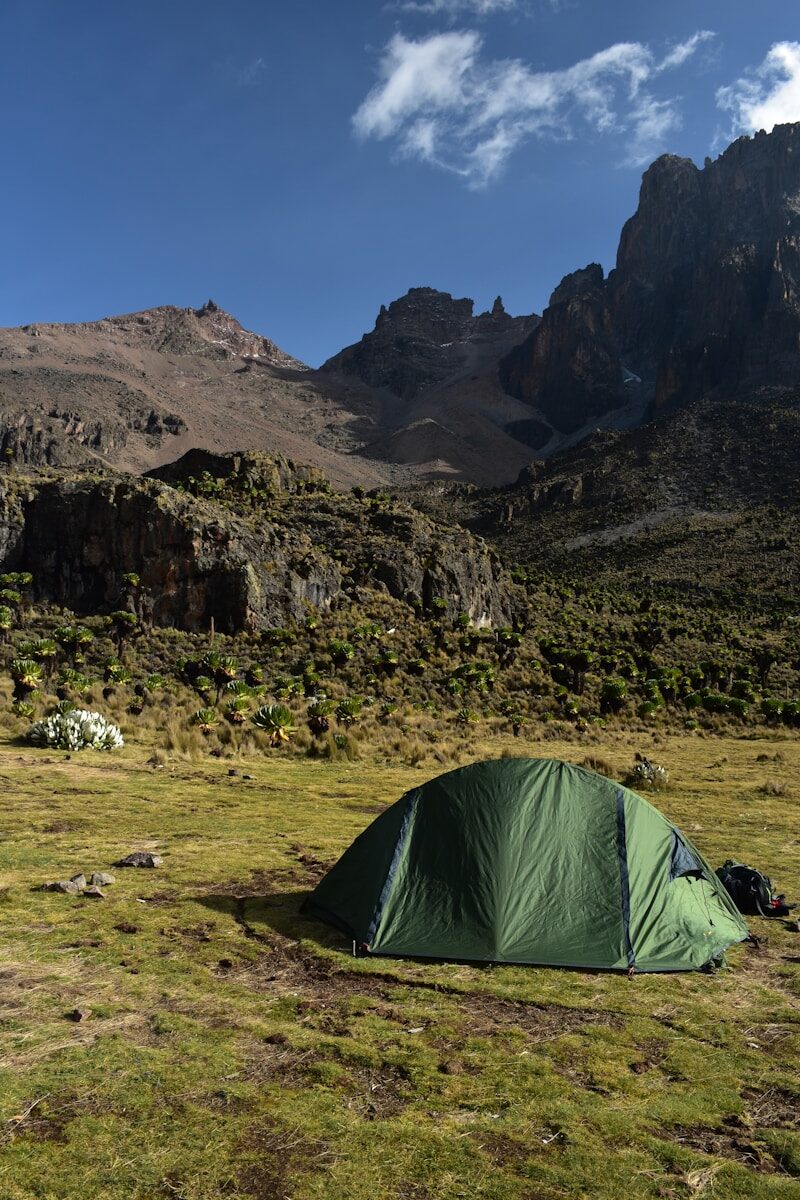
The mountain’s slopes pass through distinct vegetation zones, from dense montane forest and bamboo thickets to alpine moorland dotted with giant lobelias and groundsels, before reaching the rocky glaciers near its peaks, Batian, Nelion and the walkable Point Lenana. Wildlife on the lower slopes includes elephants, buffaloes, colobus monkeys and a variety of forest birds.

Multi-day treks to Point Lenana are among Kenya’s most rewarding highland adventures, offering dramatic scenery without the crowds of Kilimanjaro. For travellers seeking a change of pace from classic savannah safaris, Mount Kenya delivers a striking, high-altitude counterpoint.

Quick Facts About Mount Kenya

Information
Details
Location
Central Kenya, roughly 150 kilometres north-northeast of Nairobi, within Mount Kenya National Park.
Size
Approximately 715 square kilometres of protected forest, moorland and glacial peaks.
Famous For
Being Africa’s second-highest mountain and a UNESCO World Heritage Site.
Best Time to Visit
January to February and August to September, the driest and clearest trekking windows.
Recommended Stay
Four to six days for a full trek to Point Lenana, or a day visit to the lower forest zone.
Main Wildlife
Elephants, buffaloes, black-and-white colobus monkeys, and diverse forest and moorland birdlife.
Nearest Gateway
Nairobi, approximately three to four hours by road to the main trailheads.
Safari Experience
Multi-day trekking, forest walks, and high-altitude photography.

Why Visit Mount Kenya

Trek to Point Lenana
The walkable summit of Point Lenana rewards trekkers with sweeping views across Kenya and a genuine high-altitude adventure without technical climbing.
Experience Five Vegetation Zones
The mountain's slopes pass through forest, bamboo, moorland, alpine desert and glacier, offering an unusually varied trekking experience within a single mountain.
See Rare Alpine Flora
Giant lobelias and groundsels found on Mount Kenya's upper slopes grow in few other places on Earth, a highlight for nature enthusiasts.
Escape the Crowds of Kilimanjaro
Mount Kenya offers comparably dramatic scenery and trekking with far fewer visitors than its taller neighbour.
Spot Forest Wildlife
The lower forest zones are home to elephants, buffaloes and colobus monkeys, adding wildlife encounters to the trekking experience.
Challenge Yourself With a Technical Climb
Experienced climbers can attempt the technical peaks of Batian and Nelion, among East Africa's most demanding mountaineering routes.
Best Time

Mount Kenya can be trekked throughout the year, though conditions vary significantly with the seasons.

January to February and August to September offer the driest, clearest conditions and are considered the best trekking windows.

The long and short rains, roughly March to May and November, bring wetter trails and reduced visibility, making trekking more challenging.

Multi-day treks to Point Lenana are the highlight for most visitors, passing through forest, bamboo and moorland before reaching the rocky summit zone.

Shorter forest walks, birdwatching and photography in the lower montane zones offer a rewarding option for those not attempting the full summit trek.

Wildlife

The mountain’s lower forest zones support elephants, buffaloes and black-and-white colobus monkeys, along with numerous small mammals.

Birdlife is abundant across the mountain’s varied habitats, from forest species at lower elevations to hardy birds adapted to the alpine moorland higher up.

Mount Kenya’s main trailheads are roughly three to four hours by road from Nairobi, reached via the towns of Naro Moru, Chogoria or Sirimon.

Most trekkers arrange transport and permits through a licensed operator, who will coordinate transfers to the chosen starting route.

Altitude sickness is a real risk on multi-day treks, so choose a route with adequate acclimatisation days and stay well hydrated.

Pack warm layers for freezing night-time temperatures at higher camps, alongside waterproof gear for sudden weather changes.

Hire a licensed guide and porters, both for safety and to support the local trekking economy around the mountain.

Explore Tours & Safaris

From $ 800
From $ 125
From $ 90
From $ 230
From $ 140
Scroll to Top
Seraphinite AcceleratorOptimized by Seraphinite Accelerator
Turns on site high speed to be attractive for people and search engines.