...

Maasai Mara National Reserve

Where Kenya’s Wild Heart Comes Alive

The Maasai Mara National Reserve is one of Africa’s most celebrated wildlife destinations, renowned for its sweeping savannahs, remarkable concentration of animals and spectacular predator sightings. Located in southwestern Kenya along the border with Tanzania, the reserve forms part of the greater Mara–Serengeti ecosystem, one of the world’s most important wildlife areas.

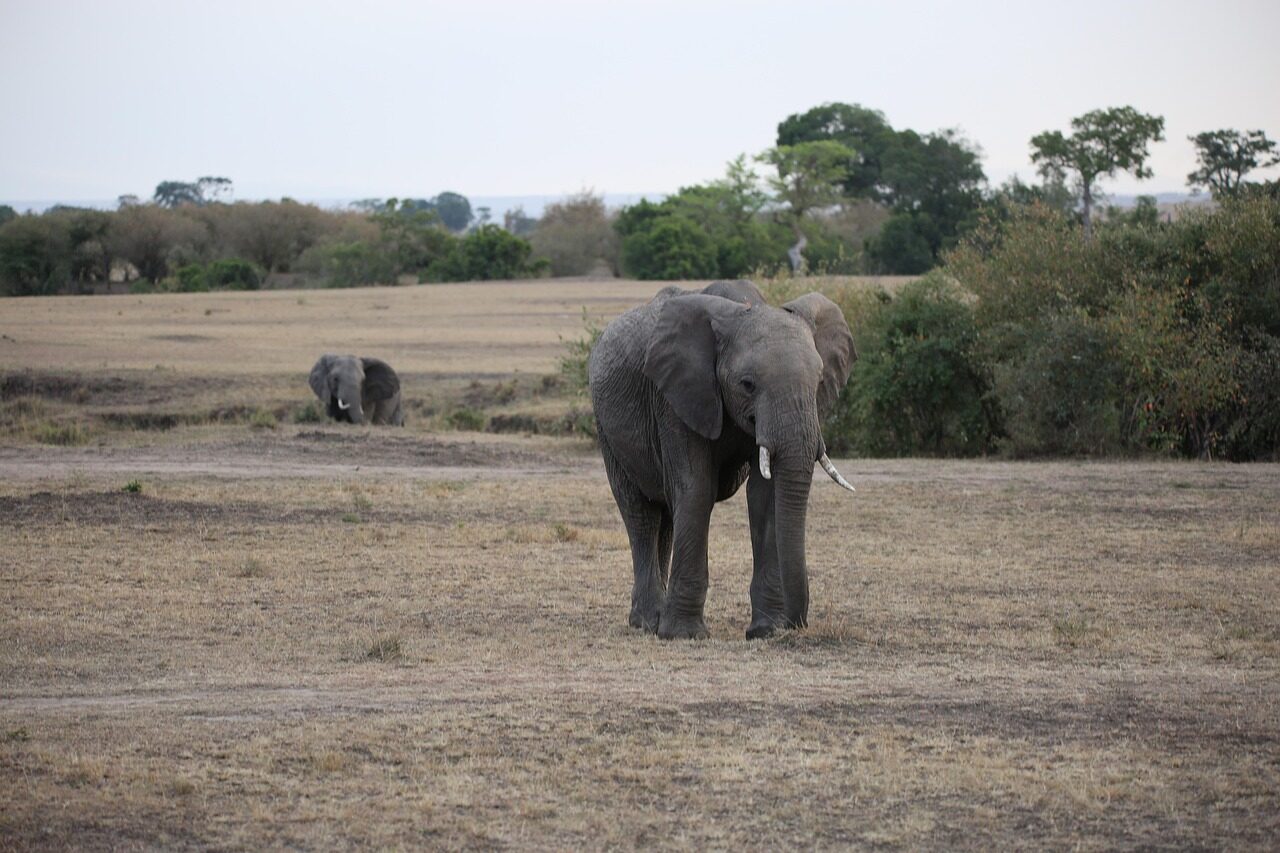
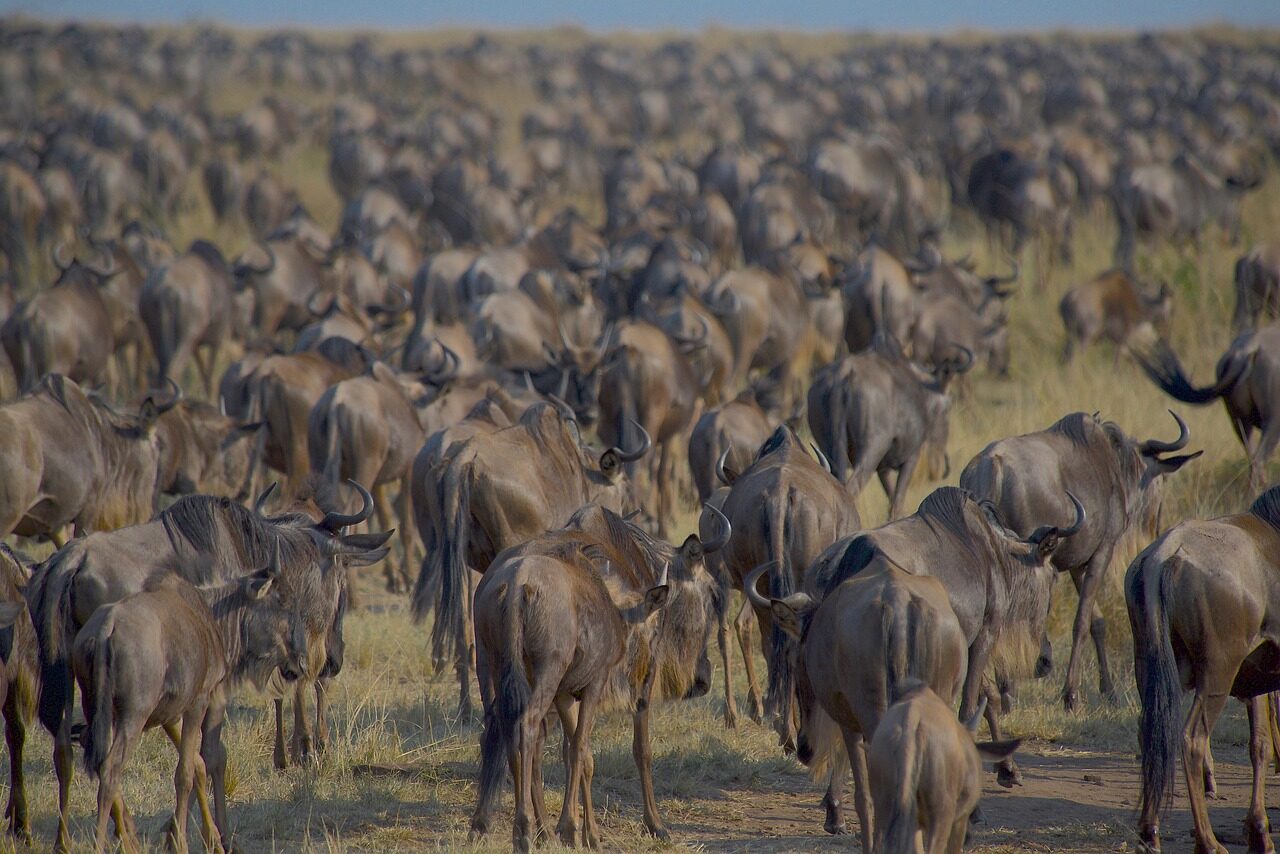
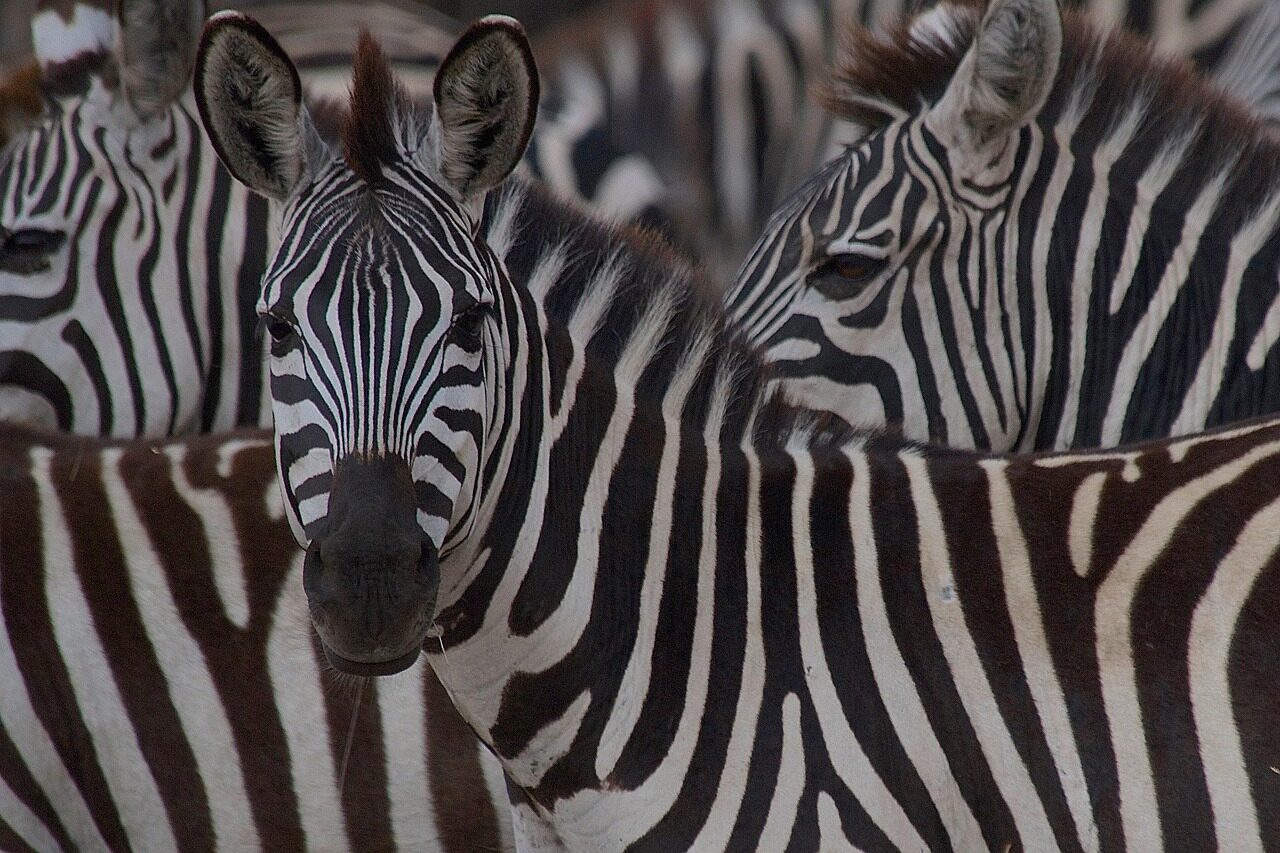
The Mara is particularly famous for the Great Migration, when enormous herds of wildebeest, zebras and other grazers move through the ecosystem in search of fresh pasture. Dramatic river crossings, prowling big cats and seemingly endless herds make this one of nature’s greatest spectacles. Beyond the migration season, the reserve offers rewarding wildlife viewing throughout the year, including excellent opportunities to encounter lions, elephants, buffaloes, leopards and cheetahs.

A journey to the Maasai Mara is also an opportunity to experience the heritage of the Maasai people, whose communities have lived alongside the region’s wildlife for generations. From traditional game drives and cultural encounters to hot-air balloon safaris over the plains, the Maasai Mara combines wildlife, landscapes and culture into one of Kenya’s most complete safari experiences.

Quick Facts About Maasai Mara National Reserve

Information
Details
Location
Southwestern Kenya in Narok County, bordering Tanzania’s Serengeti ecosystem.
Size
Approximately 1,510 square kilometres of rolling grasslands, riverine forests and open savannah.
Famous For
The Great Migration, Big Five, exceptional predator sightings and classic African savannah scenery.
Best Time to Visit
July to October for the migration season, with excellent wildlife viewing available throughout the year.
Recommended Stay
Three to four days is ideal for exploring different areas and enjoying multiple wildlife experiences.
Main Wildlife
Lions, leopards, cheetahs, elephants, buffaloes, wildebeest, zebras, giraffes, hippos and numerous antelope species.
Nearest Gateway
Nairobi, accessible by approximately five to six hours by road or about one hour by scheduled flight.
Safari Experience
Game drives, hot-air balloon safaris, photography, cultural visits and seasonal Great Migration viewing.

Why Visit Maasai Mara National Reserve

Witness the Great Migration
Experience one of the world's greatest wildlife spectacles as vast herds of wildebeest and zebras move through the Mara–Serengeti ecosystem. During the migration season, visitors may witness enormous herds gathering across the plains and dramatic crossings along the Mara River.
Exceptional Big Five Viewing
The Maasai Mara offers outstanding opportunities to encounter Africa's iconic wildlife. Lions, elephants and buffaloes are frequently seen, while patient safari-goers may also encounter elusive leopards. Together with rhinos in the wider ecosystem, these animals make the Mara a remarkable Big Five destination.
Incredible Predator Encounters
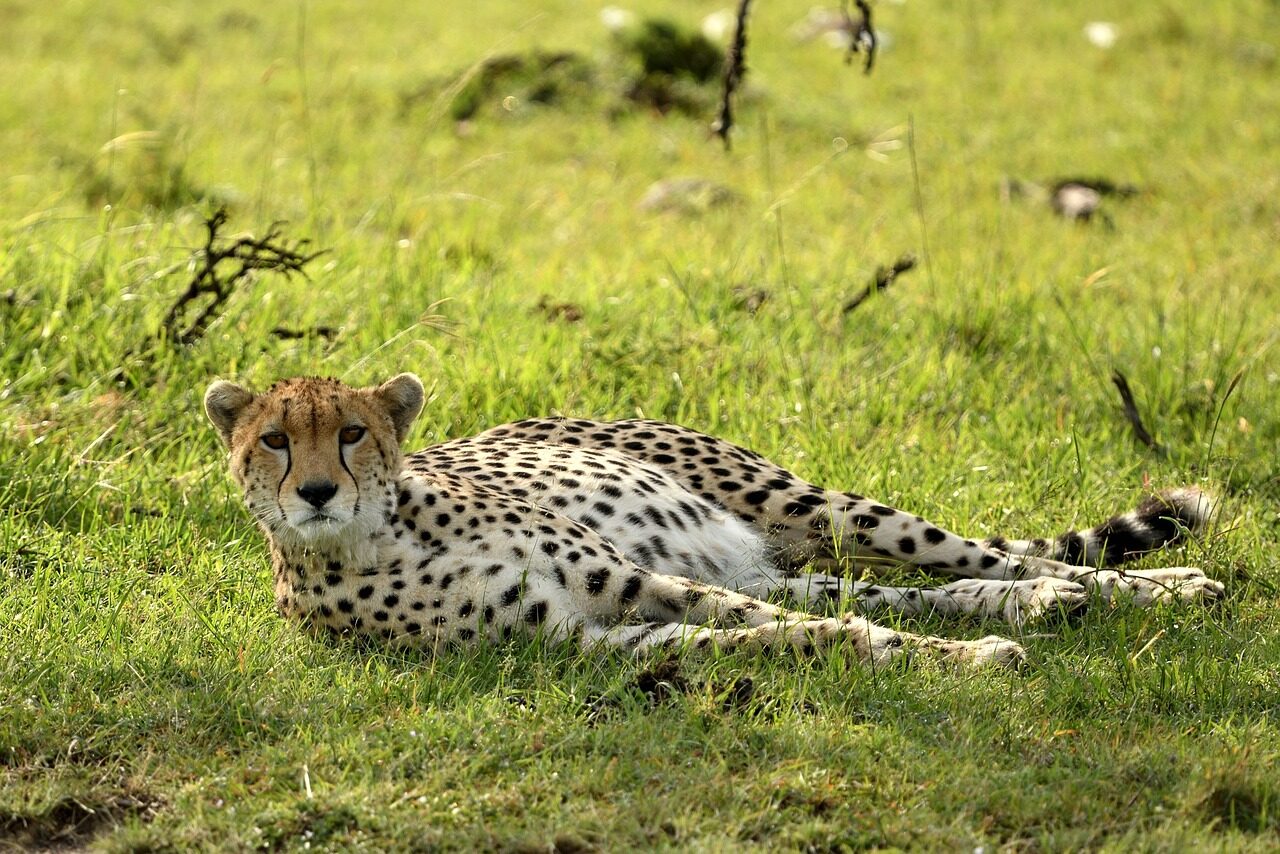
The reserve is particularly renowned for its healthy populations of lions, cheetahs and leopards. Its open grasslands provide excellent visibility, creating memorable opportunities to observe predators resting, hunting and interacting naturally within one of Africa's richest wildlife ecosystems.
Experience Maasai Culture
Discover the traditions and heritage of the Maasai people through respectful community visits and cultural experiences. Learn about traditional homesteads, clothing, ceremonies and pastoral life while gaining a deeper appreciation of the communities that have long shared this landscape with wildlife.
Take a Hot-Air Balloon Safari
Rise above the Mara at sunrise and watch the savannah unfold beneath you from a hot-air balloon. From the air, winding rivers, wildlife herds and endless grasslands create a completely different perspective of the reserve and an unforgettable addition to a safari.
Outstanding Safari Photography
From golden sunrises and dramatic thunderstorms to lions on the open plains and giraffes silhouetted against the horizon, the Maasai Mara provides extraordinary photographic opportunities. Its diverse wildlife and expansive landscapes make it rewarding for both casual photographers and experienced professionals.
Best Time

The Maasai Mara is a year-round safari destination, although the best period depends on the experience you are looking for. Wildlife remains within the ecosystem throughout the year, while changing seasons bring different landscapes, animal behaviour and visitor numbers.

July to October is the most famous period because the Great Migration usually reaches the Maasai Mara during the dry season. Large herds of wildebeest and zebras may gather on the plains, and river crossings can occur as animals move between grazing areas. This is also peak safari season, so popular areas can be busy.

January to March generally offers warm, relatively dry conditions and excellent resident wildlife viewing. The vegetation can be shorter in many areas, making animals easier to spot, while predators remain active across the reserve.

April and May bring the long rains. The Mara becomes beautifully green, visitor numbers are generally lower and the landscape is excellent for photography. Some roads can become muddy or difficult after heavy rainfall, but this period can appeal to travelers looking for a quieter safari.

November and December usually experience the shorter rains, transforming the grasslands after the dry season. Wildlife viewing remains rewarding, migratory birds add to the reserve’s birdlife, and there are often fewer visitors than during the migration months.

A game drive is the classic way to experience the Maasai Mara. Early-morning and late-afternoon drives provide opportunities to explore different habitats while searching for lions, elephants, cheetahs, giraffes, buffaloes and many other species.

For a completely different perspective, take a hot-air balloon safari at sunrise and drift quietly above the plains as wildlife moves below. Travelers can also enjoy wildlife photography, seasonal Great Migration viewing, birdwatching and carefully organized cultural visits to Maasai communities.

Visitors staying in some of the private conservancies surrounding the main reserve may have access to additional experiences such as guided nature walks, night game drives and bush dining, depending on the camp and conservancy regulations.

Wildlife

The Maasai Mara supports an extraordinary variety of wildlife and is particularly celebrated for its large carnivores. Lions, leopards, cheetahs and spotted hyenas are among the major predators, while elephants, buffaloes, giraffes, zebras, wildebeest, hippos, crocodiles and numerous antelope species inhabit its grasslands, rivers and woodland areas.

During the Great Migration season, huge numbers of wildebeest and zebras enter the Mara–Serengeti ecosystem’s northern ranges, creating dramatic predator-prey interactions. The reserve is also an excellent birding destination, with hundreds of recorded bird species ranging from large raptors and vultures to colourful grassland and wetland birds.

The Maasai Mara can be reached by road or air from Nairobi. Driving typically takes around five to six hours depending on the route, road conditions and the location of your accommodation. Travelling by road offers an opportunity to see more of the Kenyan countryside along the way.

Scheduled and charter flights provide a faster alternative, with flights from Nairobi generally taking around an hour. Several airstrips serve different sections of the reserve and surrounding conservancies, allowing travelers to choose an airstrip close to their safari camp or lodge.

Plan for early-morning and late-afternoon game drives, when temperatures are cooler and wildlife activity is often at its best. Carry lightweight neutral-coloured clothing, comfortable shoes, sunscreen, a hat and a warm layer for chilly mornings.

Bring binoculars and a camera with extra batteries and memory cards if wildlife photography is important to you. During peak migration months, booking accommodation and safari arrangements well in advance is advisable because popular camps and lodges can fill quickly.

Always follow your guide’s instructions and maintain a respectful distance from wildlife. Avoid disturbing animals, keep noise to a minimum during sightings and never leave designated areas without your guide’s approval. Responsible safari practices help protect both visitors and the Mara’s remarkable ecosystem.

Explore Tours & Safaris

From $ 800
From $ 125
From $ 90
From $ 230
From $ 140
Scroll to Top
Seraphinite AcceleratorOptimized by Seraphinite Accelerator
Turns on site high speed to be attractive for people and search engines.