...

Ngorongoro Crater

Africa’s Garden of Eden

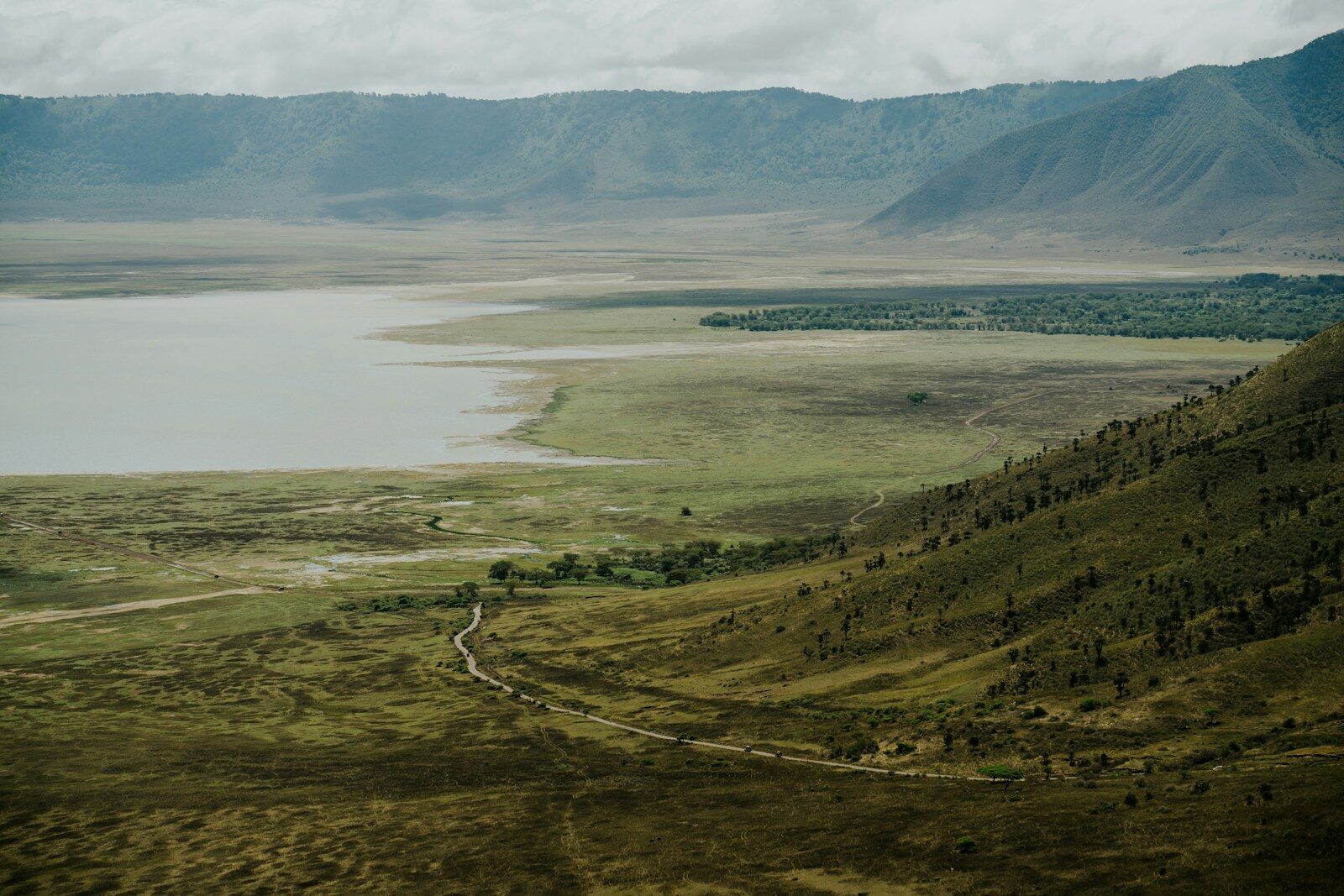
The Ngorongoro Crater is the world’s largest intact volcanic caldera, a vast natural amphitheatre in northern Tanzania formed when an ancient volcano collapsed on itself millions of years ago. Its crater floor forms a self-contained ecosystem often described as one of Africa’s most extraordinary natural wonders.

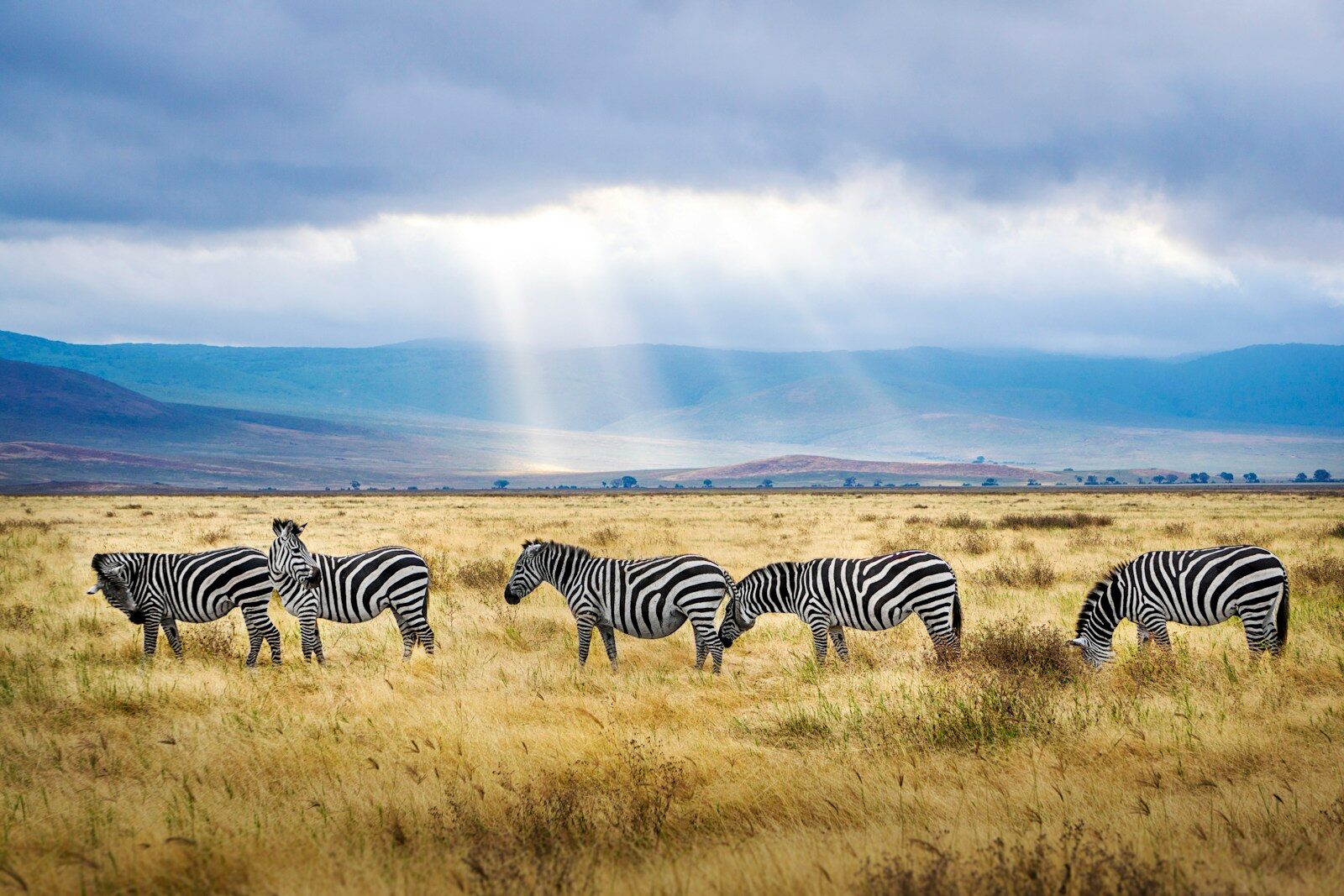
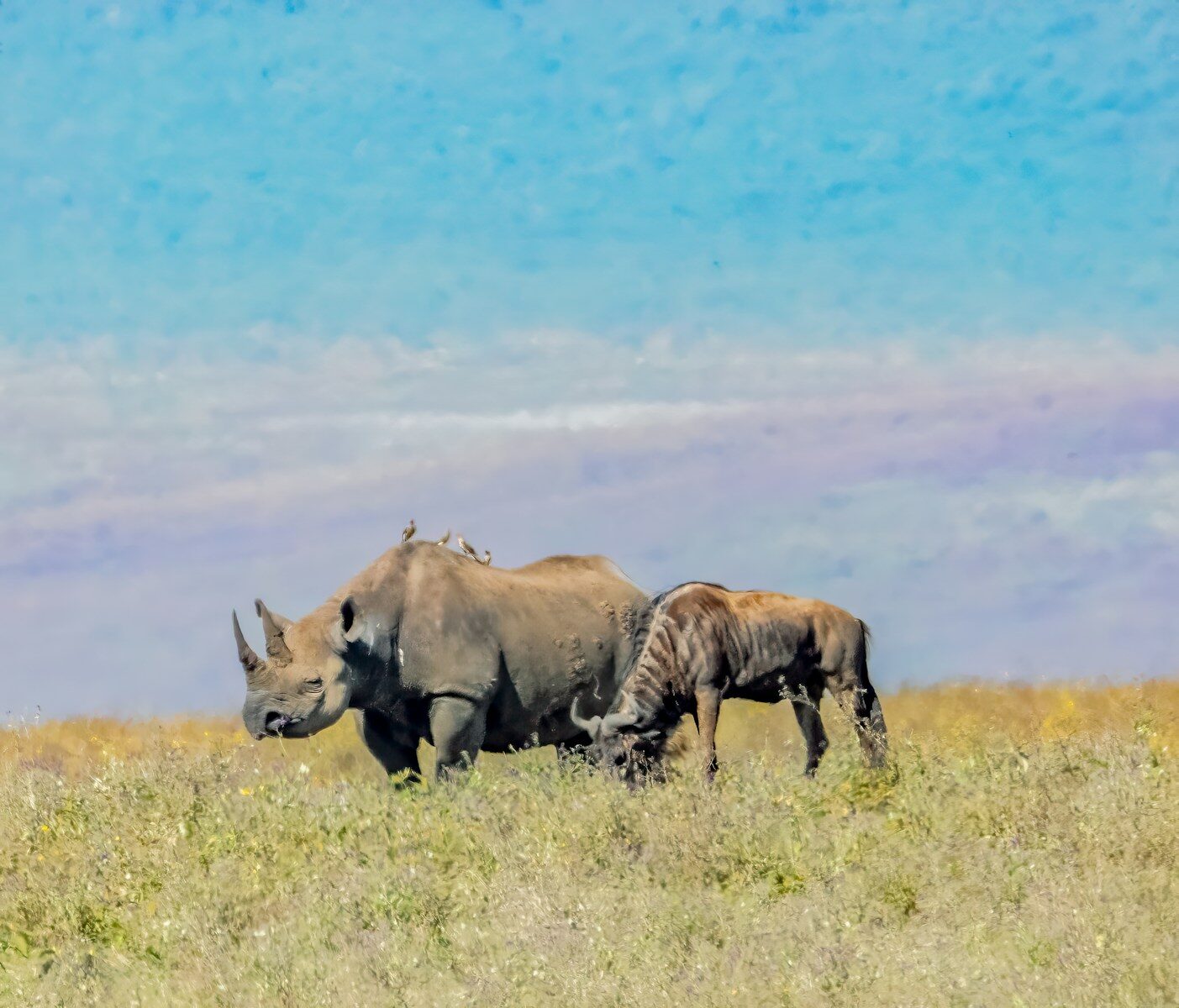
Within the crater’s roughly 260 square kilometres, an exceptional density of wildlife thrives year-round, including one of Africa’s best chances of spotting the endangered black rhino alongside lions, elephants, buffaloes and vast herds of wildebeest and zebra. The crater’s permanent water and grazing mean animals rarely need to migrate, making game viewing consistently excellent in every season.

The surrounding Ngorongoro Conservation Area is also home to Maasai communities who continue to graze livestock alongside the region’s wildlife, reflecting a rare model of coexistence. Combined with its dramatic setting and reliable wildlife viewing, the crater is a highlight of nearly every northern Tanzania safari.

Quick Facts About Ngorongoro Crater

Information
Details
Location
Northern Tanzania, within the Ngorongoro Conservation Area, roughly 180 kilometres west of Arusha.
Size
The crater floor covers approximately 260 square kilometres within a rim spanning roughly 20 kilometres in diameter.
Famous For
Being the world’s largest intact volcanic caldera and one of Africa’s densest wildlife concentrations.
Best Time to Visit
June to October during the dry season, though wildlife viewing is excellent year-round.
Recommended Stay
One to two days, including a full-day crater floor game drive.
Main Wildlife
Black rhino, lions, elephants, buffaloes, wildebeest, zebras and flamingos.
Nearest Gateway
Arusha, approximately three to four hours by road.
Safari Experience
Crater floor game drives, Maasai cultural visits and rim-side viewpoints.

Why Visit Ngorongoro Crater

See the Big Five in One Location
Ngorongoro Crater offers one of Africa's best chances of viewing lion, elephant, buffalo, leopard and the endangered black rhino together.
Experience Reliable Year-Round Wildlife
The crater's permanent water and grazing keep resident wildlife present throughout the year, unlike migratory ecosystems elsewhere.
Marvel at a Natural Wonder
As the world's largest intact volcanic caldera, the crater's scale and setting are extraordinary in their own right, beyond the wildlife within it.
Spot the Endangered Black Rhino
The crater floor is one of the most reliable places in Tanzania to see this critically endangered species in the wild.
Visit Maasai Communities
The surrounding conservation area is home to Maasai pastoralists, offering opportunities for respectful cultural encounters.
Enjoy Dramatic Rim Views
Lodges and viewpoints along the crater rim offer sweeping panoramas over the caldera floor, especially memorable at sunrise.
Best Time

Ngorongoro Crater offers excellent wildlife viewing throughout the year, thanks to its permanent water and grazing.

June to October, the dry season, offers the clearest access roads and comfortable travel conditions.

November to May brings rain and green scenery, with wildlife still reliably present on the crater floor.

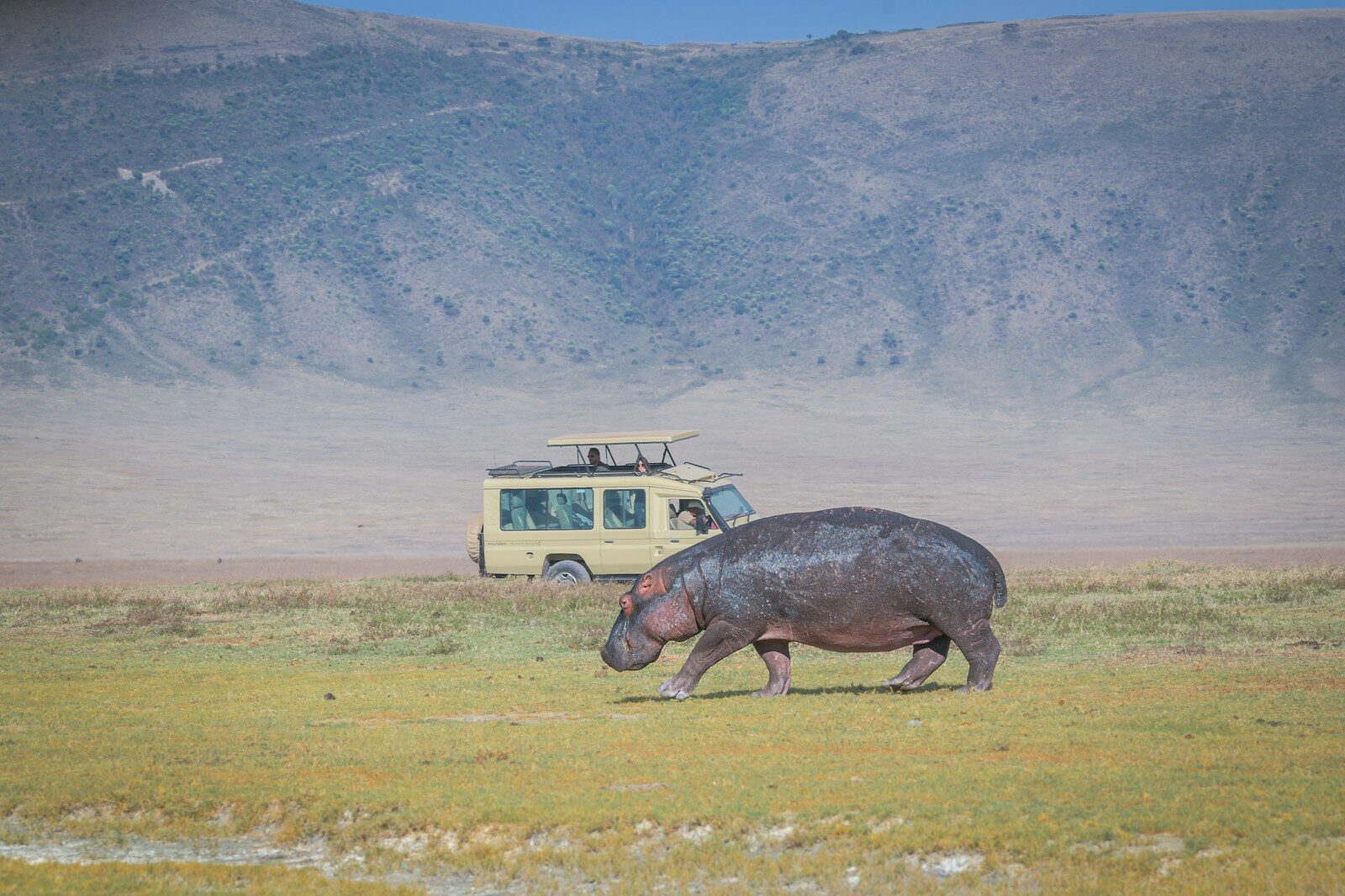
A full-day game drive on the crater floor is the highlight, offering close encounters with lion, elephant, rhino and vast herds of plains game.

Visitors can also explore Maasai communities around the conservation area or enjoy panoramic views from lodges along the crater rim.

Wildlife

The crater floor supports an exceptional density of wildlife, including the endangered black rhino, alongside lions, elephants, buffaloes and large herds of wildebeest and zebra.

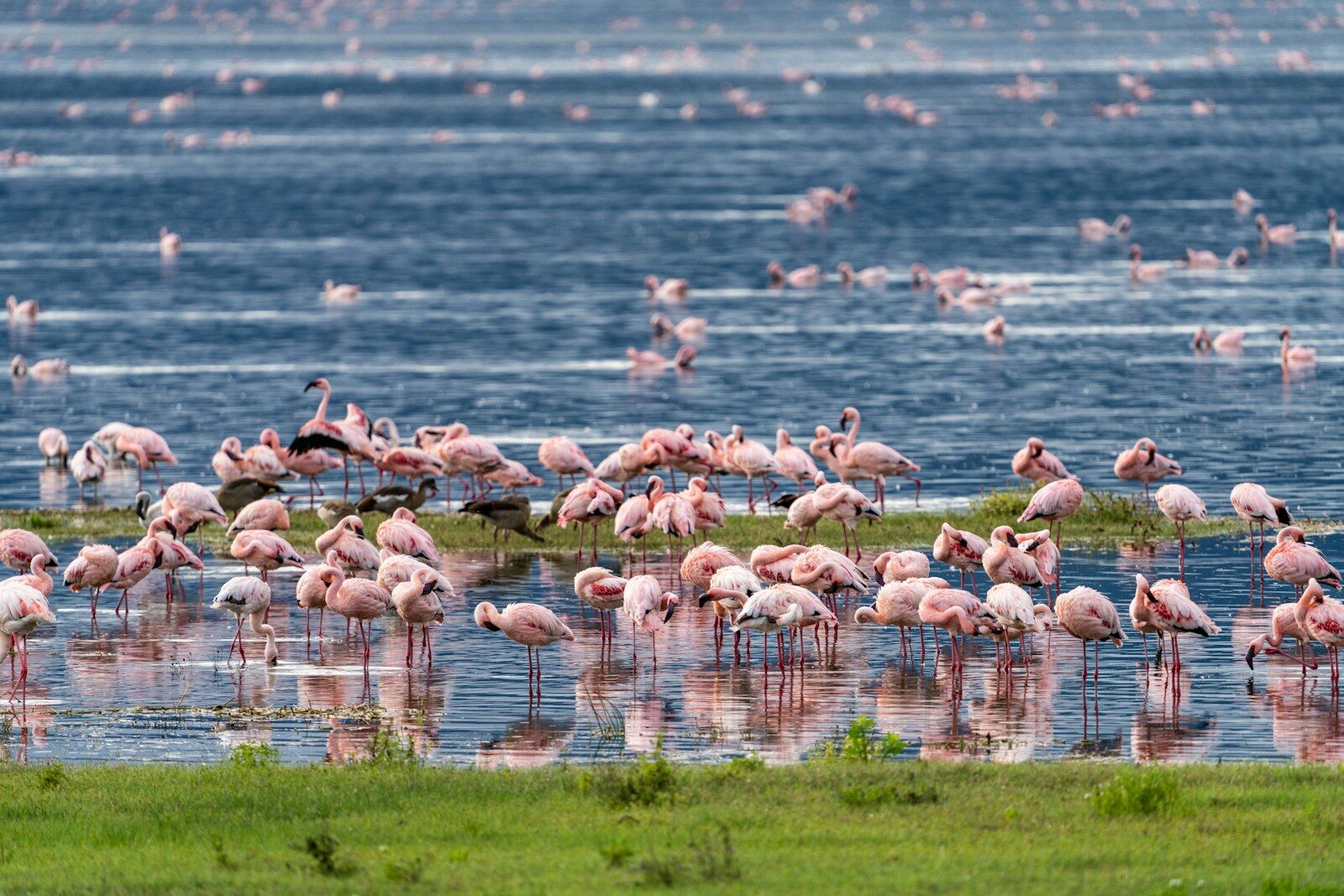
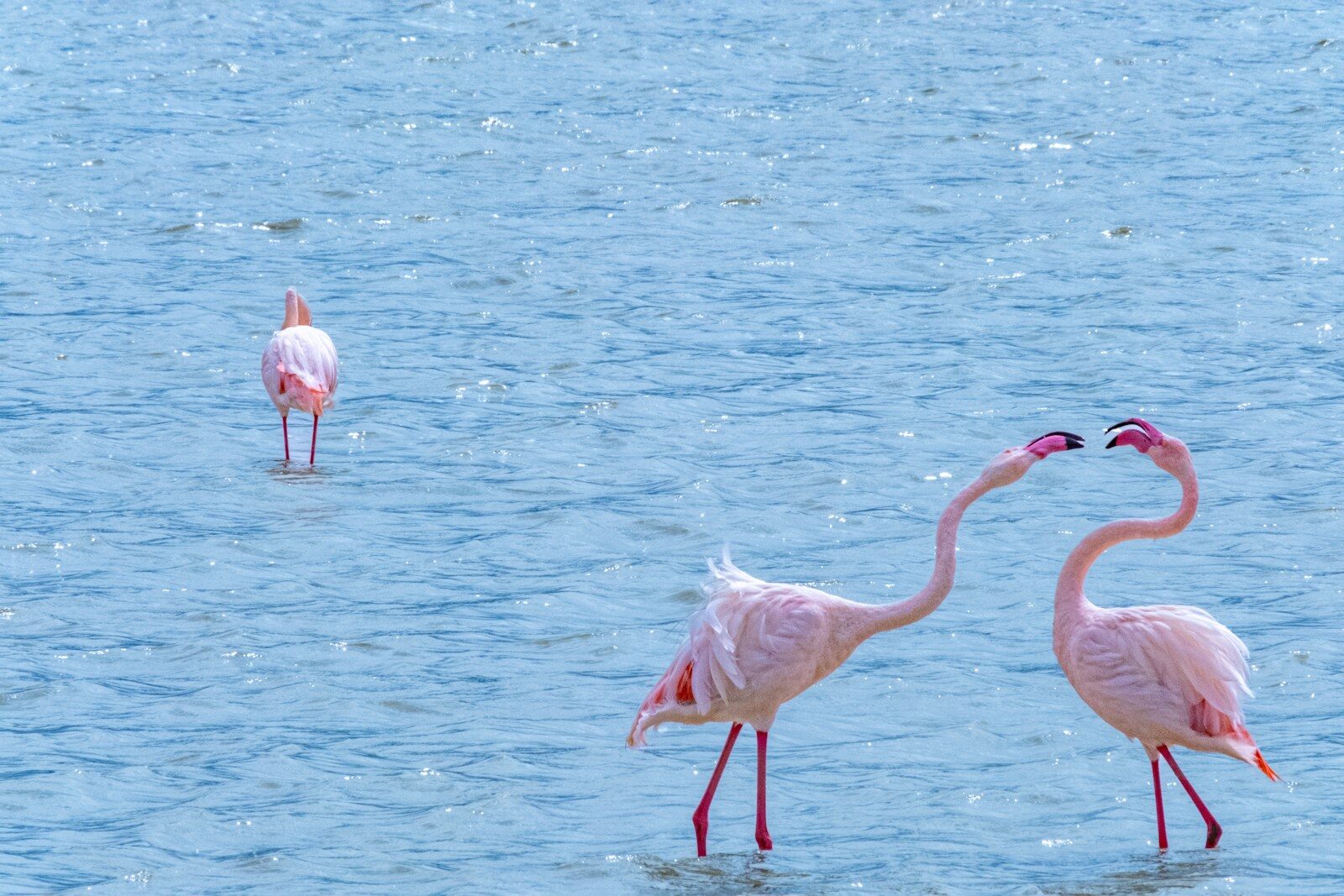
Flamingos frequently gather on the crater’s soda lake, adding vivid colour to the wildlife spectacle below.

The crater is roughly three to four hours from Arusha by road, often combined with a stop at Lake Manyara or continuing on to the Serengeti.

Access to the crater floor is via a single descent road, with vehicles required to exit by a set time each day.

Mornings on the crater floor can be cold, so pack warm layers even during the dry season.

Book crater floor access in advance where possible, as daily vehicle numbers are managed by the conservation authority.

Explore Tours & Safaris

From $ 800
From $ 125
From $ 90
From $ 230
From $ 140
Scroll to Top
Seraphinite AcceleratorOptimized by Seraphinite Accelerator
Turns on site high speed to be attractive for people and search engines.